Blog
Solar Energy Myths Busted: What You Really Need to Know
Author
Rahul Mehta
Published
Dec 5, 2024
Category
Sustainability & Awareness
Solar energy is rapidly becoming one of the most popular renewable energy sources worldwide. Yet, despite its growing adoption, several myths and misconceptions continue to cloud people’s understanding of solar power. Let’s break down some common myths and reveal the facts you really need to know.

Author
Rahul Mehta
Rahul is the solar energy enthusiast powering this blog with bright ideas and real-world insights. With over a decade of experience in renewable energy and sustainability projects across India, he’s passionate about helping people make the switch to clean, affordable power.
What’s better than insider perks, pro tips, and surprises?
Sign up to get the most recent blog articles in your email every week.
Join now.
1. Solar Panels Don’t Work on Cloudy Days
Many people believe that solar panels are ineffective when the sun isn’t shining. In reality, solar panels can generate electricity even on cloudy or rainy days. Modern solar panels are designed to capture diffuse sunlight efficiently, ensuring a consistent energy supply.
2. Solar Energy Is Too Expensive
Historically, solar installations were costly, but technology advancements have drastically reduced the price of solar panels and equipment. Moreover, government incentives, tax benefits, and net metering options make solar energy more affordable than ever.
3. Solar Panels Require Constant Maintenance
Routine checks and occasional cleaning to remove dust or debris are typically enough to keep them operating at optimal efficiency. Most panels come with warranties lasting 20-25 years, underscoring their durability and reliability.
4. Solar Energy Is Only for Homes
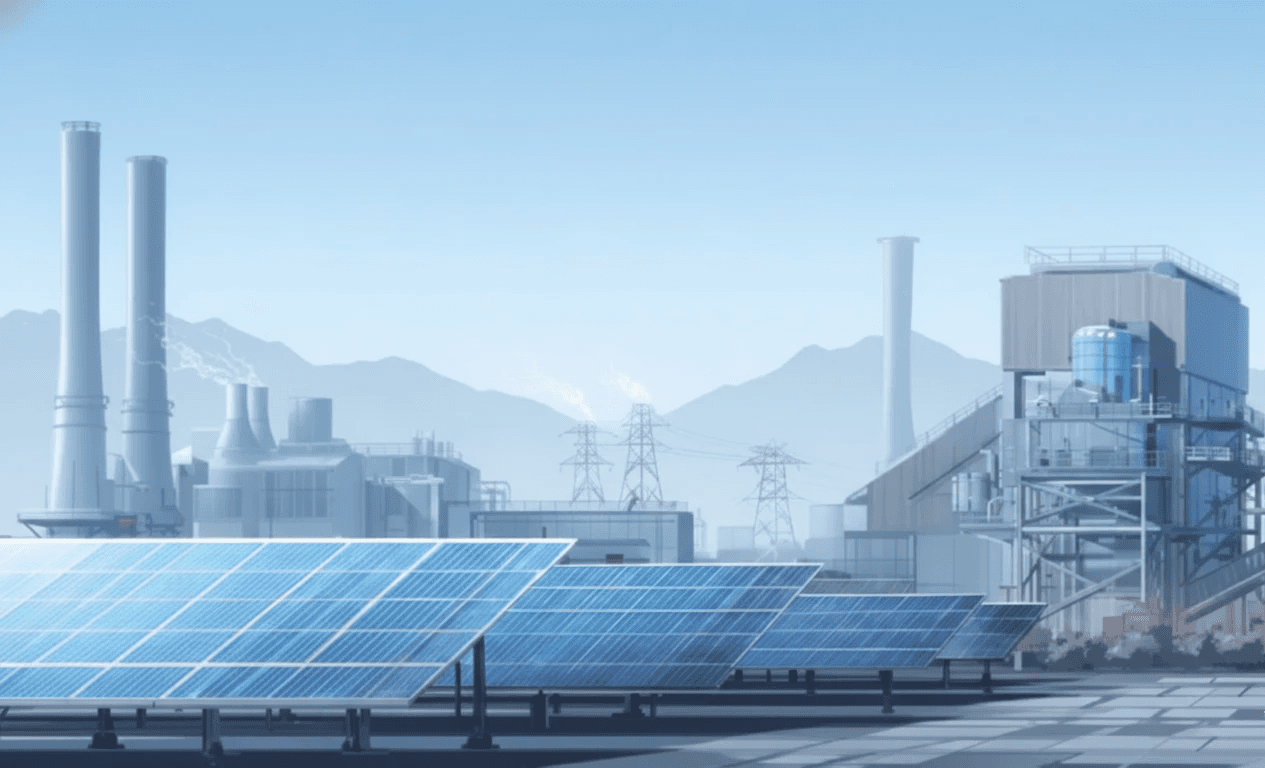
Solar energy isn’t limited to residential use. Large-scale solar farms contribute significant electricity to the grid, while rooftop solar installations help commercial buildings cut costs and reduce carbon emissions. Solar is versatile and scalable for multiple applications.
5. Solar Panels Can’t Work in Hot Climates
It’s a common misconception that solar panels overheat in hot regions and stop working. While extremely high temperatures can slightly affect efficiency, solar panels are designed to withstand harsh weather conditions, including heat, rain, and wind.
6. Solar Energy Isn’t Reliable
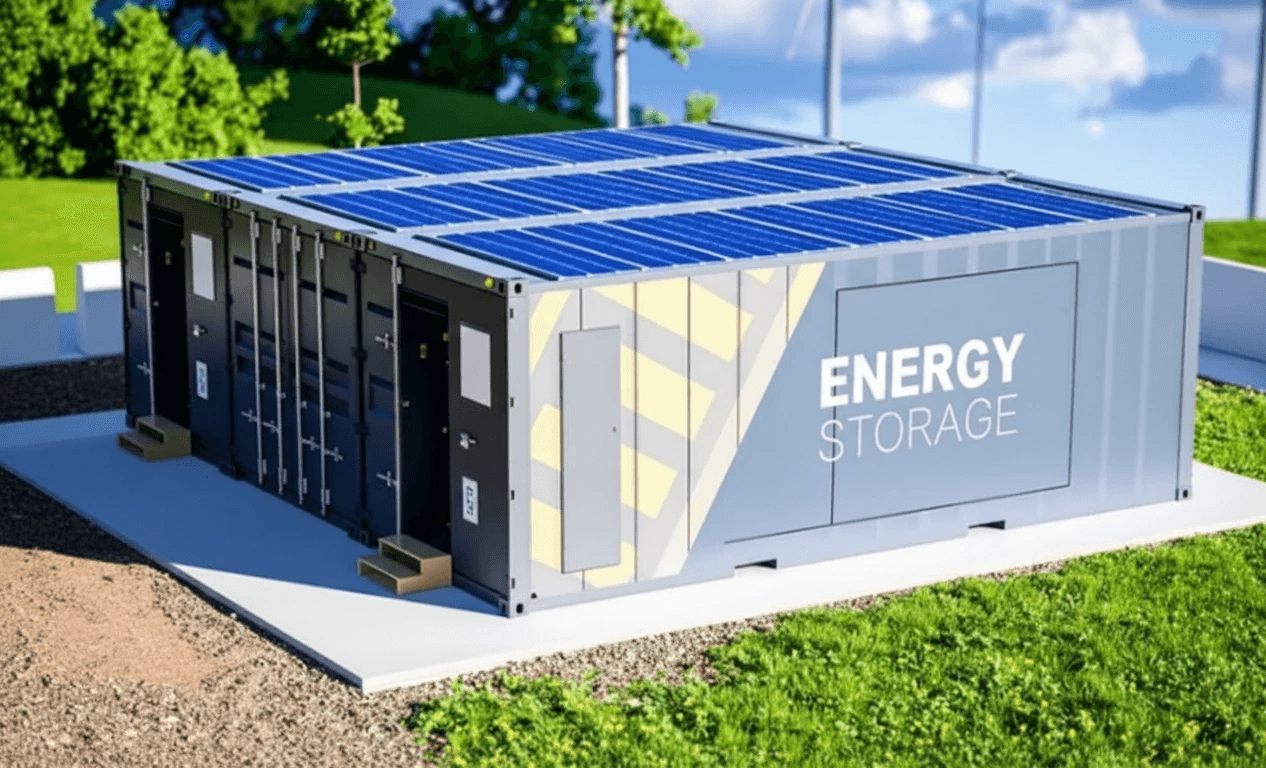
Some people worry that relying on solar energy means risking power shortages. Energy storage solutions ensure that excess energy generated during the day can be used at night or during cloudy periods, eliminating concerns about power interruptions.
Final Thoughts
Solar energy is a powerful, reliable, and sustainable alternative to traditional electricity sources. By debunking common myths, it becomes clear that solar power is practical for homes, businesses, and even large-scale energy projects.
With the right knowledge, anyone can take advantage of solar technology to save money, reduce carbon footprints, and contribute to a greener future.